A digital marketing funnel is a plan that helps potential buyers move through the different steps of their buying process. A digital marketing funnel shows firms how to turn casual visitors into devoted consumers, from the first time they see your brand to the time they buy anything. But what does this procedure mean, and why is it so important for your digital marketing plan? Let’s go over everything.
What Is a Digital Marketing Funnel?
A digital marketing funnel is a way to show the processes that people follow from finding out about your brand to becoming paying customers.
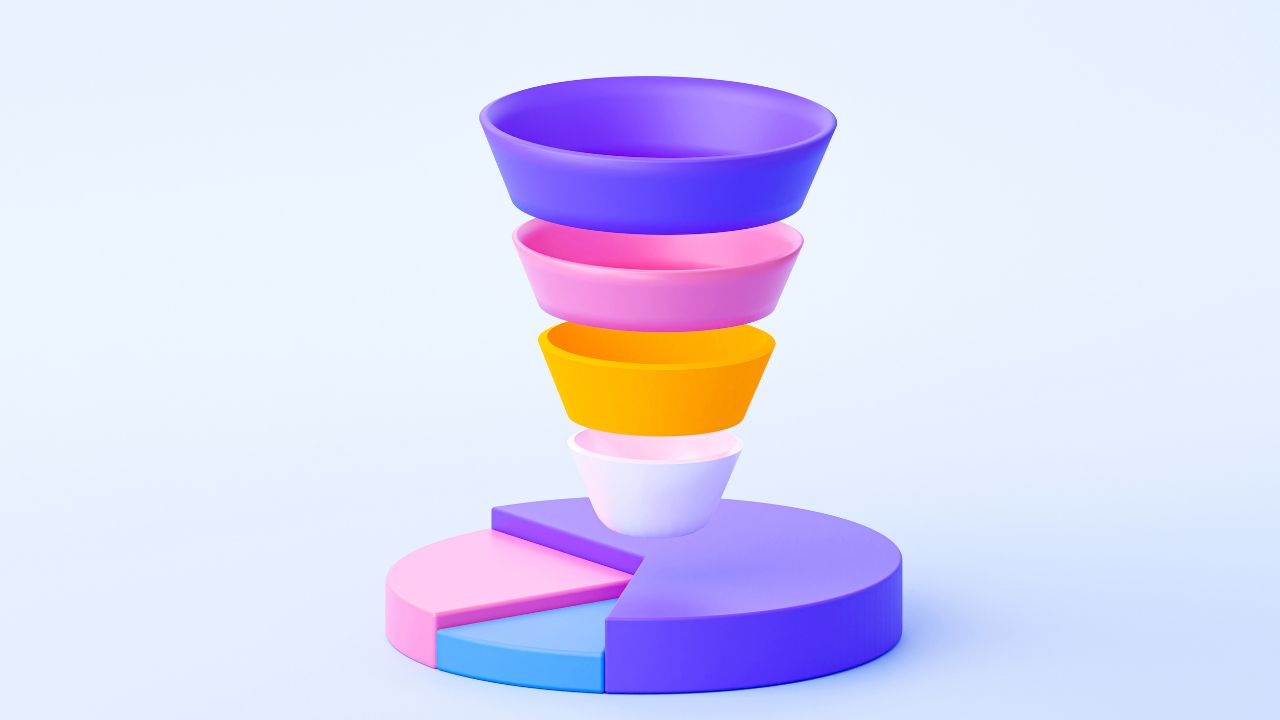
The funnel model helps firms see and improve this client journey, which usually comprises three primary steps:
- Top of the Funnel (TOFU): The stage of awareness when people learn about your brand.
- Middle of the Funnel (MOFU): This is the stage where leads look at your product or service and think about it.
- Bottom of the Funnel (BOFU): The point at which leads become clients.
Businesses may raise their conversion rate and make customers happier overall by customizing their content and marketing to each stage of the funnel.
Why Does the Digital Marketing Funnel Matter?
Understanding what a digital marketing funnel is key to building an effective marketing strategy. It helps you see how potential customers engage with your brand at every stage. Without it, your efforts may go to waste by delivering the wrong messages to the wrong audience.
A funnel makes sure that every touchpoint meets the needs and pain points of your prospects, which makes it more likely that you will lead them to your offer.
Common Reader Question:
What effect does a digital marketing funnel have on my conversion rate?
A well-designed funnel plays a key role in your conversion rate by delivering the right content at the right time. If you’re wondering what is a digital marketing funnel, it’s a step-by-step path that guides potential customers from awareness to purchase. For example, educational blog posts at the top of the funnel build awareness, while case studies and testimonials at the bottom help build trust and drive buying decisions.
The Stages of a Digital Marketing Funnel

Every part of the funnel serves a unique purpose. To better understand what is a digital marketing funnel, let’s break down how businesses can optimize their strategy at each stage—with practical examples and proven tactics.
1. Top of the Funnel (TOFU): Building Awareness
At the top of the funnel, your main goal is to attract as many people as possible and spark their interest. This stage is all about introducing your brand and offerings to a broad audience—many of whom may not even know you exist yet. In understanding what is a digital marketing funnel, it’s important to note that TOFU (Top of Funnel) is often your first and only chance to grab attention and set the stage for deeper engagement later on.
Key Strategies for TOFU:
- Content Marketing: Write blog entries, make infographics, make explainer videos, and write industry reports to teach your audience about important issues and make your company look like a reliable source.
- Search Engine Optimization (SEO): Use relevant keywords to improve your landing pages and blog posts so that more people may find you through organic search.
- Media on the Internet: To get people to participate with your brand, share noteworthy information, advice, how-to guides, and interactive polls or quizzes on all of your social media accounts.
- Ads that cost money: Use display advertisements, sponsored content, or video ads on platforms like Facebook, Instagram, or YouTube to target audiences who suit your ideal consumer profile.
- Podcasts & Guest Appearances: Participate in or sponsor prominent podcasts in your niche to reach bigger audiences.
Examples:
A business might create a detailed guide that solves common industry problems or share an engaging quiz on social media related to their product or service. These are effective top-of-the-funnel (TOFU) strategies. Another TOFU tactic is running branded ads to reach new audiences. All of these help answer the question, What is a digital marketing funnel, by showing how brands attract and engage potential customers at the awareness stage.
2. Middle of the Funnel (MOFU): Creating Engagement
The middle of the funnel is where potential customers begin evaluating your product or service. They now know what they need and are looking for solutions, comparing your offer with others, and looking for proof that it’s worth it.
Key Strategies for MOFU:
- Email Campaigns: Collect emails using lead magnets like guides or checklists, then send personalized follow-up emails with helpful tips or special offers.
- Case Studies & Testimonials: Highlight your success stories, showcasing how your solution has solved similar problems for others.
- Webinars or E-books: Provide detailed webinars, whitepapers, or product demos that answer industry questions and highlight your expertise.
- Retargeting Ads: Use pixels to remind visitors who saw your top-of-funnel content but haven’t taken the next step.
- Interactive Tools: Calculators, assessments, or product selectors can help users see how your product meets their needs.
Examples:
Understanding what a digital marketing funnel is can help businesses create more targeted content. For example, a software brand might host a webinar on improving common workflows, featuring real customer success stories. Meanwhile, an e-commerce store could offer a downloadable style guide or product comparison chart in exchange for an email sign-up, helping guide potential customers through the funnel.
At this stage, it’s crucial to demonstrate how your offering stands out while addressing any objections.
3. Bottom of the Funnel (BOFU): Driving Conversions
The bottom of the funnel focuses on driving conversions. At this stage, prospects are already interested and close to making a decision. If you’re wondering what is a digital marketing funnel, this is the final step—where your messaging needs to be persuasive, build confidence, and make it easy for them to take action.
Key Strategies for BOFU:
- Targeted Offers: Extend discounts, coupons, or limited-time deals to encourage immediate action.
- Dedicated Landing Pages: Use simple, conversion-focused landing pages that highlight your main benefits, build trust with ratings, and include clear calls to action.
- Free Trials or Consultations: Allow users to try before they buy, reducing risk and building confidence in their decision.
- Live Demos or One-on-One Calls: Offer personal walkthroughs, answering questions, and overcoming any last concerns.
- Use Urgency and Scarcity: Highlight low stock or limited-time pricing to motivate prompt decisions.
Examples:
A SaaS provider might offer a 14-day free trial or a risk-free money-back guarantee. An online retailer could showcase star ratings and customer reviews on the checkout page, plus a countdown timer for a flash sale.
Optimizing Your Digital Marketing Funnel

A digital marketing funnel isn’t a one-time setup—it needs ongoing monitoring and tweaks to stay effective. If you’re wondering what is a digital marketing funnel, it’s a dynamic process that thrives on data-driven decisions to keep every stage performing at its best.
The Importance of Analytics:
- Track metrics such as website traffic, bounce rates, click-through rates, and conversion rates to see where visitors are dropping off.
- Use customer journey mapping to visualize and improve how users move from one stage to another.
- Segment your audience by interests, behaviors, or demographics to tailor messaging for higher engagement.
A/B Testing:
- Keep testing different ads, landing pages, subject lines, and calls to action to see what works best.
- Experiment with copy, images, layout, and offers to discover which combinations maximize conversions.
- Review test results and quickly implement winning variations to boost your funnel’s efficiency.
Leveraging analytics goes hand-in-hand with A/B testing. Together, they help pinpoint weaknesses, so you can refine your funnel, boost your conversion rate, and provide better experiences.
Tools to Help Improve Funnels:
- Google Analytics: Track user behavior, source traffic, and measure the effectiveness of marketing efforts across each funnel stage.
- CRM Software: Manage your existing customers and nurture new prospects, allowing seamless communication at the right funnel stage.
- Email Marketing Platforms: Automate drip campaigns and follow-ups, ensuring prospects remain engaged until they become paying customers.
- Heat Mapping Tools: Understand how users interact with landing pages and identify areas for improvement.
Mistakes to Avoid in Your Digital Marketing Funnel
Creating an effective funnel requires avoiding these common pitfalls:
- Neglecting Existing Customers: Retention often yields higher ROI than acquisition. Engage and upsell to current customers with loyalty programs or exclusive offers.
- Ignoring Mobile Optimization: Many users engage through their mobile devices. Ensure every interaction, from emails to landing pages, is seamless on all screens.
- Focusing Only on the Bottom: Focusing only on the bottom of the funnel can hurt your marketing; ignoring the top or middle means losing potential customers before they’re ready to buy.
Case Studies Highlighting Successful Funnels
Learning from others is a great way to improve your funnel. Here are a few expanded examples:
- SaaS Companies: Top brands use blog posts at the top of the funnel (TOFU), video tutorials in the middle (MOFU), and free trials at the bottom (BOFU). This helps guide users from first learning about the product to getting excited and signing up easily without risk.
- E-commerce Brands: High-performing stores use influencer collaborations or shareable social content at TOFU. At MOFU, they highlight customer stories, comparison charts, and retargeting ads. For BOFU, they feature time-sensitive promotions and highly optimized checkout pages with testimonials and social proof.
- Consulting Services: TOFU may involve authoritative whitepapers or speaking engagements. MOFU uses personalized emails and client feedback, while BOFU focuses on discovery calls and detailed proposals that solve the client’s problem.
Understanding how others optimize their funnels can provide clear ideas for refining your strategy.
Final Thoughts
What is a digital marketing funnel? It’s the key to orchestrating a seamless customer journey that aligns with your audience’s needs and expectations. By tailoring your marketing for each stage, using data to guide decisions, and testing regularly, you can boost conversions, build trust, and grow lasting customer relationships.
If you’re ready to build or improve your digital marketing funnel, explore more resources and expert guidance at MacroHype. Take your marketing strategy to the next level today!