
Running a large website is like overseeing a bustling city. With thousands or even millions of pages, every system needs to function smoothly. If the foundation weakens, everything slows down. In the digital space, that foundation is your technical SEO for large websites. This is where Shopify SEO audits play a vital role. A strong audit ensures that search engines like Google can crawl, understand, and rank your content effectively, ultimately driving more organic traffic to your store.
Many large e-commerce businesses focus heavily on content and link building, which are crucial parts of any SEO strategy. However, they often overlook the technical backbone that supports every single web page. Without a strong technical setup, your best content may never be seen, and your marketing budget could be wasted. This guide will explore how a dedicated focus on technical SEO, particularly through regular audits, can unlock massive traffic growth for your large website.
What is Technical SEO, and Why is it Critical for Large Sites?
Technical SEO for large websites refers to the process of optimizing your website’s infrastructure to help search engine crawlers find, understand, and index your pages more effectively. For a small site with a few dozen pages, minor technical issues might not cause much damage. But for a large website, with its vast number of URLs, these same issues can multiply exponentially and become catastrophic.
Imagine a search engine bot trying to crawl your site. If it constantly runs into broken links, slow-loading pages, or confusing site structures, it will eventually give up. This means large sections of your site could remain undiscovered and unindexed, making them invisible on search engine results pages (SERPs). A strong technical SEO for large websites effort ensures a smooth path for these crawlers, maximizing your chances of ranking for valuable keywords and driving organic traffic. It’s the difference between having a superhighway for Google to travel and a maze of dead ends.
The Power of Shopify SEO Audits for E-commerce Giants
For a large ecommerce business, especially one built on a platform like Shopify, the stakes are even higher. Each product page is an opportunity for a sale. If these pages aren’t technically sound, you’re losing potential revenue every day. This is where regular Shopify SEO audits and a focus on technical SEO for large websites become a game-changer.
An audit is a comprehensive check-up of your website’s health. It dives deep into the technical elements that search engines care about. Think of it as a diagnostic scan that identifies problems before they impact your traffic and sales. A thorough audit examines everything from your site architecture to your mobile performance, ensuring every part of your e-commerce business is optimized for maximum visibility. Ignoring this process is like sailing a ship without checking for leaks; sooner or later, you’re going to sink.
Key Areas Where Technical SEO Drives Traffic Growth
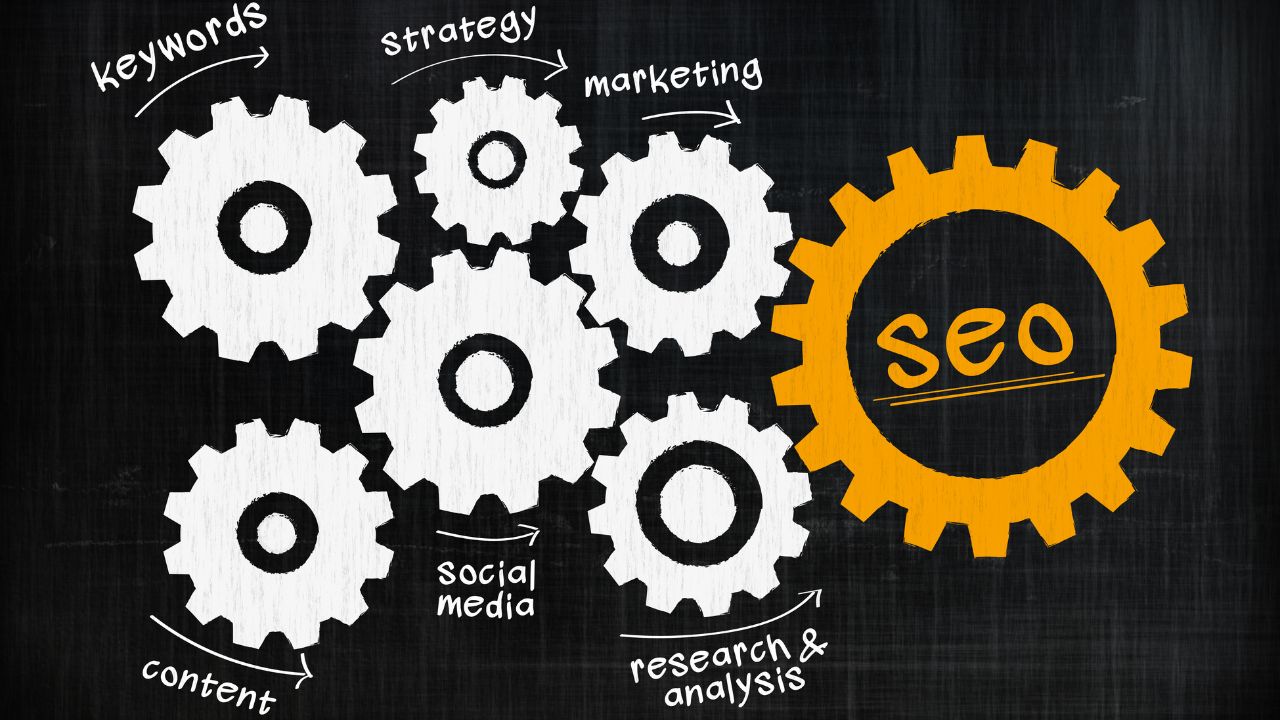
Let’s break down the specific technical elements that, when optimized, can have the biggest impact on your website’s traffic. A smart SEO strategy addresses these areas systematically.
1. Enhancing Site Speed and User Experience
Site speed is no longer just a recommendation; it’s a core ranking factor. Google wants to provide users with a fast, seamless experience. If your pages take too long to load, visitors will leave, and your bounce rate will skyrocket. This signals to search engines that your site provides a poor user experience.
For large websites, several factors can slow things down:
- Unoptimized images
- Bloated code (JavaScript and CSS)
- Slow server response times
- Lack of browser caching
Optimizing your site speed not only pleases search engines but also keeps users engaged, which directly contributes to higher rankings and more organic traffic. Faster pages lead to better conversion rates, making it a win-win for your SEO effort and your bottom line.
2. Mastering Crawlability and Indexability
Before your content can rank, Google has to find and understand it. This two-part process is called crawling and indexing.
- Crawling: Search engine bots follow links to discover new and updated content.
- Indexing: The discovered content is stored and organized in Google’s massive database, making it eligible to appear in search results.
Technical issues can severely hinder both processes. For instance, a poorly configured robots.txt file might accidentally block crawlers from important sections of your site. Likewise, an incomplete or error-filled XML sitemap fails to give search engines a clear roadmap of your content. Efficiently managing your crawl budget, the number of pages Google will crawl on your site at any given time, is essential for large sites to ensure your most important pages are regularly visited.
3. Eliminating Duplicate Content
Duplicate content occurs when identical or very similar content appears on multiple URLs. For a large e-commerce business, this is a common and serious problem. It can happen due to:
- Printer-friendly versions of pages
- Session IDs in URLs
- Faceted navigation creates multiple URLs for filtered results
When search engines find duplicate content, they get confused. They don’t know which version to index or rank. This dilutes your authority and splits your ranking signals across multiple pages, weakening the SEO power of each one. For technical SEO for large websites, using canonical tags and proper URL parameters is essential. These help you tell Google which web page is the “master” version, consolidating your SEO value and preventing ranking dilution.
4. Perfecting On-Page SEO Elements
While on-page SEO is often seen as a content task, its technical implementation is crucial. Every web page needs optimized elements to communicate its topic and relevance to search engines.
- Title Tags and Meta Descriptions: These are the first things users see on the SERPs. Compelling and keyword-rich meta descriptions and titles can dramatically improve your click-through rate. For large sites, creating unique ones for every page can be a challenge, but using templates and programmatic solutions can solve this.
- Header Tags (H1, H2, H3): Headers structure your content, making it easier for both users and search engines to read. A logical hierarchy guides crawlers through the page’s topics.
- Internal Links: A strong internal linking strategy helps distribute link equity (SEO power) throughout your site. It also guides users and crawlers to your most important pages, improving engagement and indexation. Fixing broken links is a fundamental part of this process.
Essential Tools for Your Technical SEO Arsenal
You can’t manage what you can’t measure. Several powerful SEO tools are indispensable for conducting audits and monitoring the technical SEO for large websites.
- Google Search Console: This free tool from Google is non-negotiable. It provides direct insights into how Google sees your site, highlighting indexing problems, security issues, and manual actions. It’s your primary communication channel with the search giant.
- Google Analytics: While known for tracking traffic, Google Analytics also provides valuable data on user behavior, such as bounce rate and time on page. This information can help you identify pages with poor user experience, which often points to underlying technical issues.
- Screaming Frog SEO Spider: This is a powerful site crawler that mimics how a search engine explores your website. It can quickly identify broken links, redirect issues, duplicate content, and problems with meta descriptions across thousands of pages.
- Page Speed Insights: Another free tool from Google, this analyzes your site speed on both mobile devices and desktops, providing actionable recommendations for improvement.
Using these SEO tools together gives you a complete picture of your site’s performance and a clear path for your optimization efforts.
What is the first step in a technical SEO audit?
The very first step in any technical SEO for large websites audit is to perform a comprehensive site crawl. Using a tool like Screaming Frog, you can simulate how a search engine bot navigates your website. This initial crawl provides a baseline inventory of all your URLs and uncovers immediate, high-priority issues like broken links, server errors (404s and 500s), and improper redirects. This data-driven foundation allows you to prioritize your next steps effectively.
Building a Long-Term SEO Strategy
Technical SEO for large websites is not a one-time fix; it’s an ongoing process. As your website grows and search engine algorithms evolve, new technical issues will inevitably arise. A successful long-term SEO strategy involves scheduling regular technical audits, ideally quarterly or bi-annually for large sites.
This proactive approach allows you to catch and fix problems before they impact your rankings. It ensures your website remains a clean, efficient, and welcoming place for both users and search engines. By integrating regular Shopify SEO audits into your workflow, you create a sustainable framework for growth. This dedication to technical excellence is what separates a good ecommerce business from a great one. It’s how you build a powerful online presence that consistently attracts and converts organic traffic, fueling your success for years to come.
Don’t let hidden technical issues hold your website back. A small investment in technical optimization can yield an enormous return by unlocking your site’s true potential in the search engine results pages. Whether you are about to start your online business today or are already managing a massive digital footprint, a solid technical foundation is the key to lasting success.
Ready to uncover the technical issues holding your website back and unlock its true traffic potential? The expert team at MacroHype specializes in comprehensive SEO audits that provide a clear roadmap for growth. Let us help you build a stronger, faster, and more visible website.