

Figuring out how bounce rate impacts a website SEO is very important for digital marketers and business owners who want to make their online profile better. Even though bounce rate isn’t a direct ranking reason, it is a strong indicator of how happy your users are and can have a big effect on your search engine performance in a number of indirect ways. Understanding how bounce rate affects website SEO helps highlight its role in overall site performance.
This detailed guide will teach you the complicated connection between bounce rate and SEO, give you useful tips on how to lower bounce rate, and explain why this measure is important now and in the future.
What Is Bounce Rate, and Why Does It Matter?
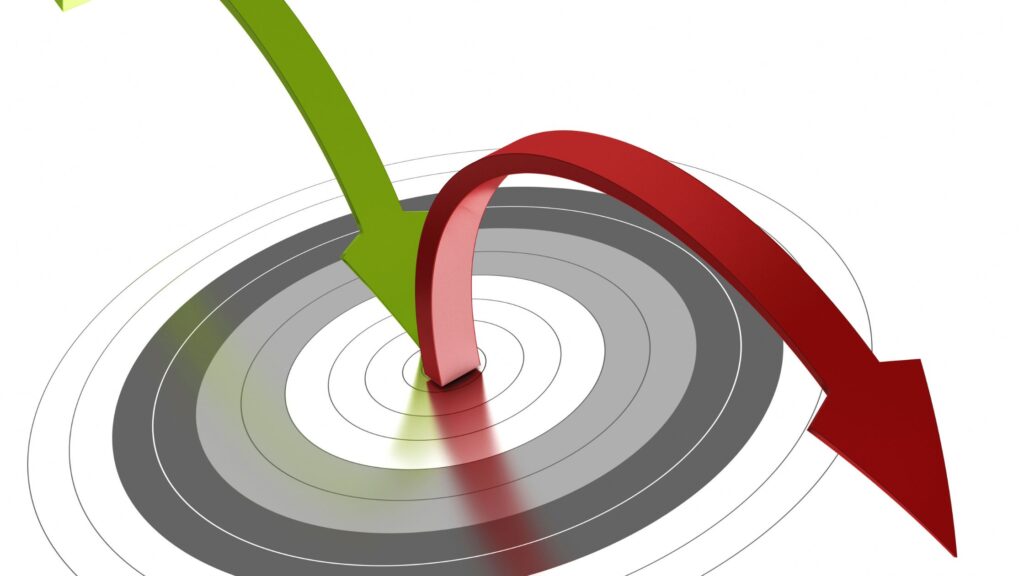
Does bounce rate have a direct effect on SEO rankings? Google has said that bounce rate isn’t a direct ranking factor, but there is a strong link between it and signals of user engagement that do affect SEO performance. A high bounce rate usually means that users didn’t have a good experience, which can hurt your search results by making people stay on your site less and click through less often. This shows how bounce rate affects website SEO by influencing overall engagement and site performance.
The bounce rate tells you how many people visit your site, look at one page, and then leave without doing anything else. A “bounce” is when a person goes to your landing page and then leaves right away without clicking on any internal links, filling out any forms, or going to any other pages.
Analytics bounce rate varies across industries, but generally:
- 26-40% is excellent
- 41-55% is average
- 56-70% is higher than average
- Above 70% indicates potential issues
The percentage of visitors who bounce from your site provides valuable insights into content quality, user experience, and technical performance.
The Indirect Connection Between Bounce Rate and SEO Performance
User Experience Signals
Websites that provide outstanding user experiences are given preference by search engines. When users quickly abandon your website after only reading one page, it may indicate several issues:
- Problems with Content Relevance: Users will rapidly leave your blog content if it doesn’t align with their search intent. This behavior is interpreted by search engines as an indication that user searches are not being met by your content.
- Issues with Technical Performance: Higher bounce rates are directly correlated with slower site load speeds. Because Google views website loading time as verified ranking criteria, this relationship is especially significant.
- Bad Mobile Experience: Because mobile-first indexing is in place, a high mobile bounce rate can have a big effect on your SEO performance on all devices.
Dwell Time and User Engagement

Bounce rate and dwell time are two different measures, but they often go together. People will spend more time on your site and look at more pages if they find your content interesting. This makes users more engaged, which tells search engines that your content is good, showing how bounce rate affects website SEO.
When a page loads quickly and gives visitors information that matches their search query, they are more likely to:
- Read the whole blog post.
- Click on links inside the site
- Check out related articles
- Next time, come back to your site.
All of these actions will raise the authority and search engine results of your website.
Common Causes of High Bounce Rates
Content and Relevance Issues
Misaligned Search Intent: Your content may rank well for keywords but not give people what they want. People will probably bounce if they look for “how to reduce bounce rate” and only find theoretical answers with no steps they can take.
Poor material Quality: Visitors aren’t interested in material that is too short, duplicate, or poorly written. Your blog post should help people and fully answer their questions.
Headlines That Mislead: People will quickly leave your site if the names of your posts are clickbait and don’t match the content.
Technical Performance Problems
Speed: The time it takes for a page to load has a direct effect on how patient people are. A study found that pages that take more than three seconds to load have bounce rates higher than 32%.
Problems with mobile optimization: Since more than 60% of searches happen on mobile devices, users will leave right away if they have a bad experience.
Poor Site Navigation: Menus that are hard to understand, broken links, or a site structure that isn’t clear make it hard for users to find the information they need.
Design and User Experience Factors
Overpowering Pop-ups: Unfriendly pop-ups irritate users and drive them away, especially on mobile devices.
Bad Visual Design: Cluttered layouts, outdated designs, and bad color schemes can turn off visitors right away.
Content That Is Hard to Read: Consuming text might be difficult when there are small fonts, poor contrast, or lengthy paragraphs without pauses.
Proven Strategies to Reduce Bounce Rate

Content Optimization Techniques
Accurately Match Search Intent: Examine what users are looking for when they search for your target keywords. Give them concrete steps to assist them if they are seeking solutions. Provide thorough explanations if they request information.
Write Captivating Introductions: Your first paragraph should answer the user’s question right away and give them a sneak peek at the benefits they may expect from continuing to read.
Make Use of Strategic Internal Links: Throughout your writing, make organic links to pertinent content. This enhances the SEO architecture of your website, lowers bounce rates, and motivates readers to explore more pages.
Use Related Content Sections: To keep users interested in more pertinent content, use “Related Articles” or “You Might Also Like” sections.
Technical Performance Improvements
Optimize Page Load Speeds:
- Compress images without sacrificing quality
- Minimize HTTP requests
- Use content delivery networks (CDNs)
- Enable browser caching
- Optimize code and remove unnecessary plugins
Improve Mobile Experience:
- Use responsive design principles
- Optimize touch elements for mobile users
- Ensure fast loading on mobile networks
- Test regularly on various mobile devices
Fix Technical Issues:
- Resolve broken links immediately
- Ensure proper redirects
- Fix crawl errors
- Optimize server response times
User Experience Enhancements
Improve Visual Appeal:
- Use high-quality, relevant images
- Implement clean, modern design principles
- Ensure proper white space and typography
- Create visually scannable content with headers and bullet points
Enhance Navigation:
- Create intuitive menu structures
- Add search functionality
- Implement breadcrumbs
- Use clear call-to-action buttons
Optimize Landing Page Performance:
- Ensure headline-content alignment
- Provide clear value propositions
- Include trust signals and social proof
- Remove unnecessary distractions
Industry-Specific Bounce Rate Benchmarks

Understanding typical bounce rates in your industry helps set realistic improvement goals:
E-commerce Sites: 20-45%
- Product pages typically have lower bounce rates
- Category pages may see higher rates
- Focus on product recommendations and reviews
Content/Blog Sites: 65-90%
- Higher rates are normal for informational content
- Success depends on content depth and internal linking
- Newsletter signups can improve engagement
Lead Generation Sites: 30-55%
- Lower rates expected due to conversion focus
- Forms and calls-to-action reduce bounces
- Landing page optimization is crucial
Service-Based Businesses: 10-30%
- Users typically research multiple pages
- Contact information accessibility is vital
- Testimonials and case studies improve engagement
Advanced Strategies to Improve Your Website’s Bounce Rate
Content Personalization

Put in place dynamic content that changes based on user behavior, location, or source of referrals. Personalized experiences lower bounce rates and greatly increase user engagement.
Interactive Elements
Include interactive features that promote user interaction, such as calculators, quizzes, and polls. These components give visitors more value and lengthen their time on the page.
Video Content Integration
Embedding relevant videos can dramatically reduce bounce rates. Users who engage with video content are more likely to explore additional pages on your site.
Exit-Intent Optimization
Use exit-intent pop-ups strategically to capture leaving visitors with valuable offers, newsletter subscriptions, or related content suggestions.
Measuring and Monitoring Your Progress
Google Analytics Setup
Configure Google Analytics to track bounce rate across different:
- Traffic sources
- Device types
- Geographic locations
- Content categories
- Time periods
Key Metrics to Monitor
Beyond bounce rate, track these related metrics:
- Average session duration
- Pages per session
- Conversion rates
- Return visitor percentage
- Engagement rate
Regular Optimization Cycles
Establish monthly reviews of your bounce rate data to identify:
- Pages with deteriorating performance
- Successful optimization results
- Seasonal trends and patterns
- Opportunities for improvement
The Future of Bounce Rate and SEO
Signals about the user experience will become more important as search engines change. The Core Web Vitals update from Google puts a lot of emphasis on loading speed, interaction, and visual stability, all of which affect the bounce rate, showing how bounce rate affects website SEO.
Preparing for future changes means focusing on:
- Voice search optimization
- AI-powered personalization
- Enhanced mobile experiences
- Improved accessibility standards
Take Action to Improve Your Website’s Performance
Figuring out how bounce rate affects website SEO is just the start. Implementation is what sets great websites apart from those that struggle to keep users engaged and see their search rankings decline.
First, check your most-visited pages for problems with bounce rates. Then, speed up your site and make the content more interesting so it meets your users’ needs.
Don’t forget that every change in the user experience leads to better SEO over time.
Are you ready to improve the speed of your website and take over the search results? Partner with MacroHype‘s expert team to put tried-and-true strategies into action that will lower your bounce rate, get users more involved, and improve your SEO results. Contact us right away to find out how we can help your online business grow in a way that you can see.