Launching a startup is a thrilling journey. You have a great product, a sleek online store, and the ambition to succeed. But how do you get customers to find you and make a purchase? The answer lies in smart digital marketing. For a new ecommerce business, navigating the world of online promotion can feel overwhelming. With a limited budget and a small team, you need strategies that drive real results without breaking the bank.
This is where proven ecommerce digital marketing solutions come into play. It’s not about doing everything at once; it’s about focusing your marketing efforts on tactics that deliver the highest return. We will explore five essential strategies designed specifically for startups. These solutions will help you build brand awareness, attract your target audience, and turn visitors into loyal customers, setting you up for long-term success.
1. Master SEO for Organic Growth
Search Engine Optimization (SEO) is the foundation of a sustainable ecommerce business. While paid ads can bring quick traffic, SEO builds a long-term asset that generates free, targeted traffic around the clock. When customers search for products like yours on search engines such as Google, you want your online store to appear on the first page.
For a startup, SEO can seem complex, but you can start with the basics and build from there. The goal is to make your website as friendly as possible for both users and search engine crawlers.
Key areas to focus on include:
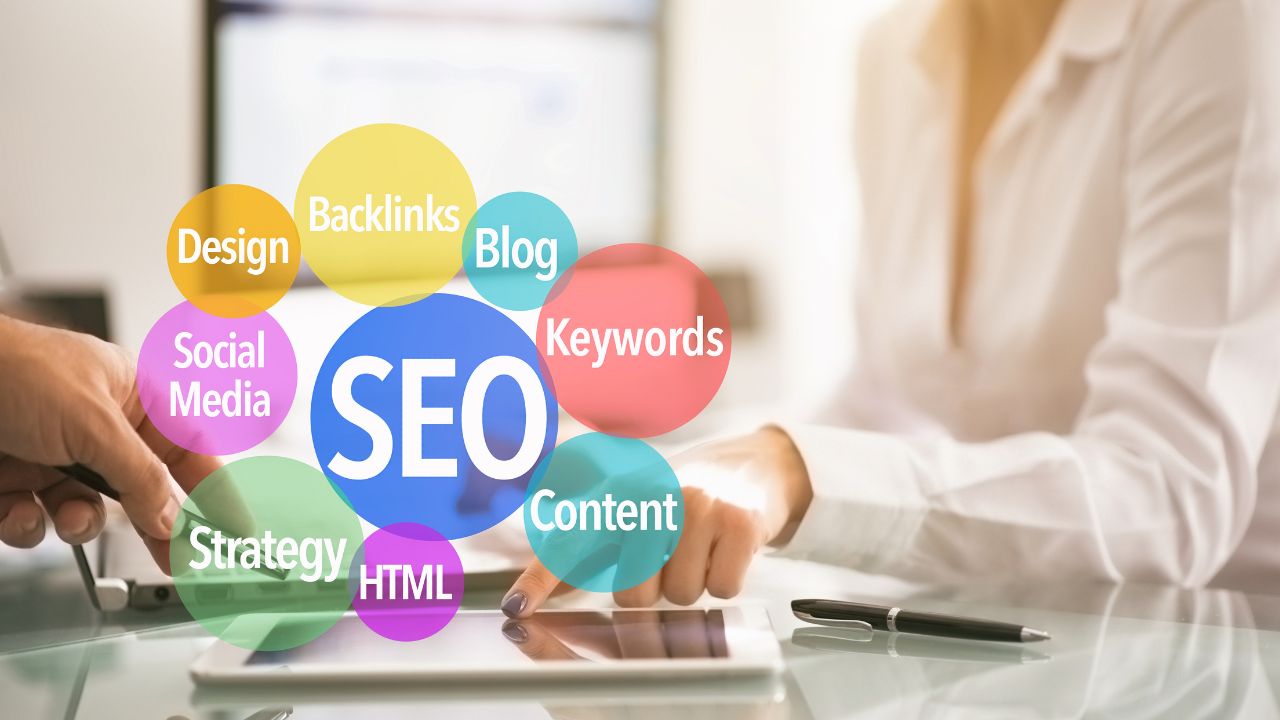
- Keyword Research: Identify the terms your potential customers are using. Think beyond broad terms. For example, instead of just “running shoes,” target long-tail keywords like “best trail running shoes for beginners.” These are less competitive and attract highly motivated buyers.
- On-Page SEO: This involves optimizing individual pages on your site. Ensure your product titles, descriptions, and images include relevant keywords. Create clear, user-friendly URLs and make sure your site loads quickly. A slow site can deter customers and hurt your search rankings.
- Content Marketing: Creating valuable content is a powerful SEO tool. A blog, buying guides, or how-to articles related to your products can attract visitors and establish your authority. This content can also be used to internally link to your product pages, boosting their visibility.
- Link Building: This is the process of getting other reputable websites to link back to yours. High-quality backlinks signal to search engines that your site is trustworthy. For startups, this can start with guest posting on industry blogs, getting featured in product roundups, or collaborating with influencers.
Investing in SEO from day one is one of the most effective digital marketing strategies for generating consistent ecommerce sales without a massive ad spend.
2. Implement Targeted Email Marketing Campaigns
Email marketing remains one of the most powerful ecommerce digital marketing solutions available. It allows you to build a direct relationship with your audience, nurture leads, and drive repeat purchases. Unlike social media, you own your email list, giving you a reliable communication channel that isn’t affected by algorithm changes.
For an ecommerce startup, building an email list should be a top priority. You can encourage sign-ups with a compelling offer, like a 10% discount on the first purchase, a free guide, or exclusive access to new products.
Once you have subscribers, you can deploy targeted email campaigns:
- Welcome Series: Automate a series of emails to welcome new subscribers. Introduce your brand story, highlight your best-selling products, and share social proof like customer reviews.
- Abandoned Cart Emails: A significant number of shoppers add items to their cart but leave without buying. An automated email reminding them about the items they left behind can recover a surprising amount of lost revenue. Sometimes, including a small discount can provide the final push they need.
- Promotional Campaigns: Announce sales, new arrivals, and special offers to your email list. These campaigns can generate a quick surge in ecommerce sales.
- Content Newsletters: Share your latest blog posts, tips, or company news to keep your audience engaged and build brand loyalty. This is a key part of a good content marketing strategy.
Effective email campaigns are crucial for turning one-time buyers into lifelong fans and are a cornerstone of successful marketing solutions.
3. Leverage Social Media Marketing Strategically
Social media marketing is essential for modern ecommerce brands. It’s where you can connect with your audience, build a community, and showcase your products in a visually appealing way. However, startups often make the mistake of trying to be on every platform. The key is to be strategic.
First, identify which platforms your target audience uses most. Are they on Instagram, TikTok, Facebook, or Pinterest? Focus your energy on one or two channels and do them well.
Effective social media strategies for an ecommerce startup include:
- Showcasing User-Generated Content (UGC): Encourage customers to share photos and videos of themselves using your products. Reposting this content acts as powerful social proof and builds a sense of community.
- Running Targeted Ads: Social media platforms offer incredibly detailed targeting options. You can create ads that reach people based on their interests, demographics, and online behavior. This allows you to optimize your ad spend by focusing only on potential customers. Start with a small budget, test different ad creatives and landing pages, and scale what works.
- Engaging with Your Audience: Don’t just post and ghost. Respond to comments, answer questions, and participate in conversations. Authentic engagement builds trust and humanizes your brand.
- Collaborating with Influencers: Partnering with micro-influencers (those with smaller, highly engaged followings) can be a cost-effective way to reach a new audience. Their followers often trust their recommendations, making it a powerful way to drive traffic and sales.
A well-executed social media presence is a dynamic tool for any digital marketing company or in-house team looking to grow an online store.
4. Focus on Conversion Rate Optimization (CRO)
Getting traffic to your online store is only half the battle. The next, and arguably most important, step is converting those visitors into customers. This is where conversion rate optimization (CRO) comes in. CRO is the process of systematically improving your website to increase the percentage of visitors who take a desired action, such as making a purchase.
Even small improvements in your conversion rate can have a massive impact on your ecommerce sales. For startups, focusing on CRO is a smart way to maximize the value of the traffic you already have.
Here are some CRO tactics to implement:
- Optimize Product Pages: Use high-quality images and videos. Write compelling, detailed product descriptions that answer potential questions and highlight benefits. Display customer reviews and ratings prominently.
- Simplify the Checkout Process: A long or complicated checkout is a major reason for cart abandonment. Reduce the number of fields and steps required. Offer guest checkout and multiple payment options.
- Improve Site Speed and Mobile Experience: A slow-loading site will frustrate users and cause them to leave. Ensure your website is fully responsive and provides a seamless experience on mobile devices, where a growing number of people shop.
- Use Clear Calls-to-Action (CTAs): Your “Add to Cart” and “Buy Now” buttons should be prominent, clear, and compelling. Test different colors, text, and placements to see what works best.
- A/B Test Landing Pages: Create variations of your key landing pages to see which designs, headlines, or layouts perform better. This data-driven approach removes guesswork from your marketing efforts.
CRO is one of the most impactful ecommerce digital marketing solutions because it directly affects your bottom line.
5. Utilize Smart Paid Advertising
While organic strategies like SEO and content marketing are crucial for long-term growth, paid advertising can provide the immediate boost a startup needs to gain traction. When managed correctly, paid ads can deliver a positive return on ad spend and accelerate your growth.
The key is to be smart and data-driven. Don’t just throw money at ads and hope for the best.
Consider these paid advertising channels:
- Google Shopping Ads: These ads are highly effective for ecommerce. They display your product image, price, and store name directly in the search results, attracting shoppers with high purchase intent.
- Search Ads (PPC): Pay-per-click ads on search engines allow you to target customers actively searching for your products. This can be competitive, so focus on specific, long-tail keywords to control costs and attract qualified buyers.
- Social Media Ads: As mentioned earlier, platforms like Facebook and Instagram offer powerful targeting. Use them to run retargeting campaigns, which show ads to people who have already visited your site but didn’t make a purchase. This is an incredibly effective tactic.
For any paid campaign, it’s vital to track your results closely. Monitor metrics like click-through rate (CTR), cost per acquisition (CPA), and return on ad spend (ROAS). This data will help you understand what’s working so you can allocate your budget effectively. Many startups choose to work with an ecommerce digital marketing agency to manage their ad campaigns and maximize results.
FAQ: What Is the Most Important Marketing Strategy for an Ecommerce Startup?
The most important marketing strategy for an ecommerce startup is Search Engine Optimization (SEO). While other strategies provide quicker results, SEO builds a sustainable, long-term foundation for organic traffic and sales, reducing reliance on paid advertising and establishing brand authority over time.
Choosing the Right Ecommerce Digital Marketing Solutions
As a startup, your resources are precious. By focusing on these five proven ecommerce digital marketing solutions, you can build a strong foundation for growth. Start with SEO to create a long-term asset. Use email marketing to nurture relationships and drive repeat business. Leverage social media to build a community and engage with customers. Continuously optimize your site for conversions to make the most of every visitor. Finally, use paid ads strategically to accelerate your reach and sales.
These strategies that drive growth work best when they are integrated and managed cohesively. It’s a continuous process of testing, learning, and adapting.
Ready to implement marketing solutions that fuel real growth for your ecommerce business? The team at MacroHype specializes in creating customized digital marketing strategies to boost your online visibility and drive ecommerce sales. Contact us today to see how we can help you succeed.